Acacia Flooring Selection Guide
Acacia flooring means solid acacia timber or engineered flooring with an acacia face; acacia-look laminate and vinyl are printed alternatives, and the differences matter at the quotation stage. This guide explains how to compare appearance, construction, finish, moisture and installation so your brief to George Group matches the project.
Choosing Acacia Flooring for a Project
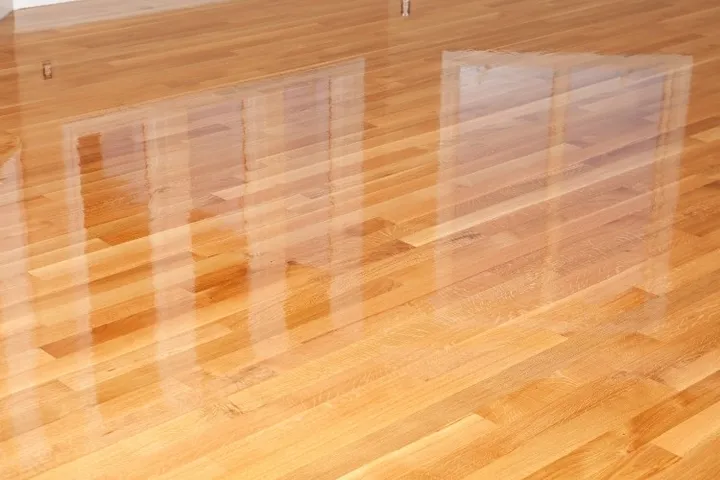
Acacia wood flooring is a timber product made from acacia. In the laminate and vinyl trades, acacia-look laminate and acacia-look vinyl are printed decors that imitate it. Real acacia used as a hardwood shows a wide colour range within one floor: golden brown, amber and darker chocolate tones, with a grain that can be straight, wavy or strongly figured. Sapwood is usually paler, so boards can look quite different from one another. Buyers should decide first whether that natural variation suits the room, then compare construction, finish, room conditions and care before moving to price.
Solid boards are one piece of timber and can be sanded back later; engineered boards use a real wood face over a stable core; acacia-look laminate and vinyl planks print the acacia decor onto a manufactured core. Finish matters too, because a matte or brushed surface hides marks and variation differently from a smooth gloss. For solid and engineered wood options and how each is built, see hardwood flooring.
Acacia is a general option that buyers specify rather than a single fixed product. Species, grade, construction, plank size and finish are confirmed in George’s quotation after an availability check, so describe the look and the performance you need rather than a code. George Group was established in 2006 and supplies hardwood, engineered hardwood, vinyl plank and laminate flooring for projects. Send the requirement through the contact form to request a quotation and the terms that apply.
Engineered Acacia Flooring
Engineered acacia flooring is built from a thin face veneer of acacia glued to a core, usually plywood or high-density fibreboard, with a backing layer that balances the panel. The cross-laminated build limits the seasonal movement a solid board would show, which is why engineered planks are often chosen for rooms with wider humidity swings. The face veneer is the part you see and, in some products, the part that can be lightly sanded later.
What to compare: veneer thickness, overall plank thickness and width, core material, finish type, and whether the plank is floated, glued down or fixed with fasteners. Ask how the edges and joints are finished and how the surface takes wear in the intended room. Moisture requirements matter at both ends, because the subfloor must be dry and the boards must be acclimated, and the installation method has to suit the site; confirm these details in the product’s own instructions.
Any engineered acacia build is a general option; George confirms the exact construction, species, size and finish in the quotation. George’s multilayer engineered wood flooring is one option within that range. For the wider range, see engineered flooring; other preferences go into the inquiry for an availability check.
Acacia Laminate Flooring
Acacia laminate flooring is not wood-faced. A printed decor layer reproduces the acacia grain, a transparent wear layer protects it, and the core is a dense fibreboard. The printed surface cannot be sanded back to bare timber. Installation is typically a floating method using the product’s click or joint system over a prepared subfloor and suitable underlay, following the product’s installation instructions. Care uses a dust mop and a damp cloth rather than a wet one, following the product’s care instructions.
Compare the wear rating, core thickness and density, the quality of the decor print, surface texture, edge treatment and the joint system. Joint systems and fixing methods vary, so compare the approved installation method, subfloor preparation and labor requirements for the specific product. Check moisture limits before specifying laminate near sinks, appliances or external doors, and do not treat it as a wet-room floor unless the product’s instructions state otherwise.
Acacia decor is a general option that buyers specify; the exact decor and specifications for George’s laminate, including size and surface finish, are confirmed in the quotation. George provides custom laminate flooring for villas, apartments, hotels, offices, restaurants, retail spaces and commercial developments. Compare the laminate flooring range before sending a brief, and note the wear rating you need for the room.
Acacia Flooring Installation, Acclimation and Care
Whether the floor is solid, engineered or acacia-look, the subfloor decides much of the outcome. Concrete should be clean, flat and dry; timber subfloors should be sound and well fixed. Acclimation means leaving the packs in the room until the boards balance with the temperature and humidity there. How long that takes depends on species, thickness, packing and site conditions, so follow the installation instructions supplied with the product rather than a fixed rule.
Room suitability follows moisture rather than appearance. Hallways, living rooms and bedrooms suit timber; bathrooms, laundries and wet rooms do not unless the product’s instructions state otherwise, and kitchens need attention to spills and humidity. Care is straightforward: dust mop, clean with a damp cloth rather than a wet one, use felt pads under furniture and keep indoor humidity steady, following the product’s care instructions. Toughness depends on species, wear layer and construction, so no single floor type wins on every count.
Cost factors include species and grade, construction, plank size, finish and installation method. Wood flooring orders can start from 100 square meters, with the MOQ for each product depending on the category and the degree of customization; the applicable terms are confirmed in the quotation. For flooring orders, George can send product specifications, warranty terms and installation documents for review before the order is confirmed. Installation, refinishing and labor questions should be settled against the product documents and project requirements.
Request a quotation
Describe your project, rooms and quantity, and we will suggest flooring options to quote.
Or write to sales@engineeredflooringsupplier.com