Herringbone Flooring: A Buyer’s Guide to Types and Materials
Herringbone flooring suits importers, distributors, contractors, developers and homeowners who want a zigzag pattern with a clear direction. This guide compares general market formats-engineered, solid, laminate, SPC and flexible-core vinyl-against George’s checked custom herringbone wood range, and explains the checks that shape a quotation.
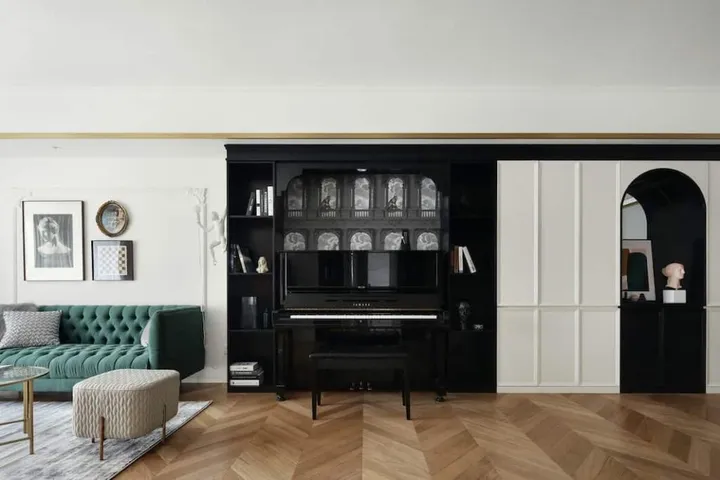
Choosing Herringbone Flooring for Your Project
Herringbone flooring is a pattern rather than a material. Chevron uses the same idea, but the plank ends are cut at an angle so boards meet in a straight V along the centreline. The pattern is made in engineered wood, solid wood, laminate, SPC and flexible-core PVC vinyl.
Each type fits different rooms. Engineered boards suit living areas, hallways and commercial interiors over a stable subfloor. Solid blocks suit ground floors where the selected product’s approved method allows a glue-down or nailed fix. Laminate covers busy residential and light commercial rooms, SPC suits rigid-core fit-outs, and flexible-core vinyl covers glue-down, loose-lay and click work.
- Species and face: the visible timber and how it takes a finish
- Construction: engineered, solid, laminate, SPC or flexible-core vinyl
- Size and thickness: block length, block width and overall floor height
- Finish: oil, hardwax oil, lacquer or a factory wear layer
- Installation method: glue-down, nailed, floating or click
- Subfloor and budget: moisture, flatness and the delivered cost
Use the sections below to compare types one by one. George’s supported range on this page is custom herringbone wood flooring. Specific wood variants, and herringbone requests in laminate, SPC or flexible-core vinyl, require an availability check before quotation. Send project details and a floor plan through the inquiry form and George will confirm supported options, quantities and terms in the quotation. Engineered formats are also covered on the herringbone engineered wood flooring page.
Herringbone Engineered Flooring
The core layers run at cross angles to one another, which spreads movement across the board and improves dimensional stability compared with a solid block of the same species. That matters when a pattern runs through several rooms with different light and humidity.
Most engineered herringbone is glued down, and floating installation is used where the board and the site conditions allow it. Before ordering, check the wear layer thickness, core build, size and finish, plus the moisture conditions on site, including subfloor readings and the room’s humidity range through the year. Installation and moisture guidance must follow the selected product’s own instructions where they vary.
For herringbone work, buyers should use the selected herringbone product’s own layout and installation instructions.
Wood flooring orders can start from 100 square meters, and the exact MOQ depends on the product category and the degree of customization, confirmed in the quotation. Free corner samples of the multilayer engineered wood flooring are available with freight paid by the buyer, and George can send specifications, warranty terms and installation documents before the order is confirmed.
Herringbone Laminate Flooring
Herringbone laminate flooring is a high-density fibreboard core, a printed décor layer that carries the wood image, and a transparent wear overlay that takes the traffic. The pattern comes from the print and the cut rather than from solid timber, which keeps the board dimensionally calm across large rooms and open-plan areas.
Click formats assemble without adhesive and suit floating installation. Use only the selected product’s approved installation method, and verify any acoustic requirements for the complete floor assembly where movement or sound transmission matters. Laminate reacts to standing water and humidity swings, so subfloor preparation and expansion gaps carry real weight; follow the product’s instructions.
Herringbone laminate is a general market format; a herringbone décor, size and finish for a laminate order are subject to an availability check. The laminate flooring page covers other formats and thicknesses.
Herringbone Oak Flooring
Oak is the most common species for herringbone flooring. The grain is open but even, the tone runs from pale straw to warm brown depending on the cut and the finish, and the hardness holds up in rooms with regular foot traffic. Oak also takes stains well, so the surface can be pushed toward a cooler grey or kept close to its natural colour.
A thin sawn oak wear layer on an engineered board keeps the oak visible while the core stabilises the block. A full solid oak block is timber all the way through and can be sanded and refinished later. Oak herringbone flooring suits living areas, hallways, hospitality interiors and retail floors where the pattern is meant to read clearly.
The engineered example is a multilayer board with an oak face over a eucalyptus core; its exact size and build are confirmed in the quotation. Specific oak grade, colour, width and finish are subject to an availability check, and George confirms them in the quotation.
Specify species and grade, engineered or solid format, block size, thickness, surface finish, sorting and pattern direction. Oak accepts natural oil, hardwax oil or lacquer, and the choice affects both the look and the maintenance routine. Those details carry into the quotation, so a written specification keeps the order consistent from room to room.
Walnut Herringbone Flooring
Walnut herringbone flooring reads darker and calmer than oak. The heartwood runs from chocolate to a softer grey-brown, the grain is open and often figured, and the surface lightens over time under daylight. That tone suits warm traditional interiors and modern schemes where a darker floor anchors pale walls and joinery.
Walnut is softer than oak on hardness scales, so it marks more readily in busy rooms. The timber machines cleanly for small blocks and takes oil and lacquer finishes well. Buyers weigh colour consistency, cost and availability against oak, since walnut boards vary more and a dark face shows variation clearly.
Species, grade and finish for a walnut herringbone order are subject to an availability check, and George confirms them in the quotation. Send the species, block size, finish, quantity and destination, and the terms are set out in the quotation before production.
LVT and Vinyl Herringbone Flooring
LVT herringbone flooring is luxury vinyl tile with a printed décor and a clear wear layer over a vinyl or mineral core. Herringbone is one of the layouts the printed planks follow. It is chosen for a thinner profile, easy maintenance, budget control and installation over many existing subfloors without stripping them back.
Seams, perimeter detailing and the installation method decide how water behaves at the surface, so bathrooms and utility areas need their own assessment rather than a core specification alone; follow the selected product’s instructions.
Herringbone vinyl is a general market layout; a herringbone vinyl layout is subject to an availability check. Formats are compared on the vinyl flooring page.
Solid Oak Herringbone Flooring
Solid oak herringbone flooring is cut from a single piece of timber, so the wear layer is the full block and the floor can be sanded and refinished later as part of maintenance. It needs on-site acclimation and a stable, dry subfloor, and it is normally glued down or nailed rather than floated; installation must follow the selected product’s approved method.
Solid timber is more sensitive to moisture and movement than an engineered board, so humidity, subfloor readings and expansion gaps carry more weight. Prefinished solid wood flooring arrives with a protective layer already applied, which simplifies the finishing stage. Unfinished blocks are finished after fitting, giving more control over colour.
George’s wood flooring range includes both solid and engineered formats and can provide construction details, moisture requirements and approved installation methods for each option. Project-specific installation and refinishing arrangements depend on the method and site conditions and are confirmed with the flooring terms in the quotation.
Request a quotation
Describe your project, rooms and quantity, and we will suggest flooring options to quote.
Or write to sales@engineeredflooringsupplier.com