Maple Flooring: A Buyer’s Guide
Maple is a close-grained hardwood chosen for pale, even floors in homes and commercial interiors. This guide compares solid, engineered and laminate-look maple by construction, treats unfinished and prefinished as separate finish choices, explains what to confirm before ordering, and outlines the project details George needs to quote.
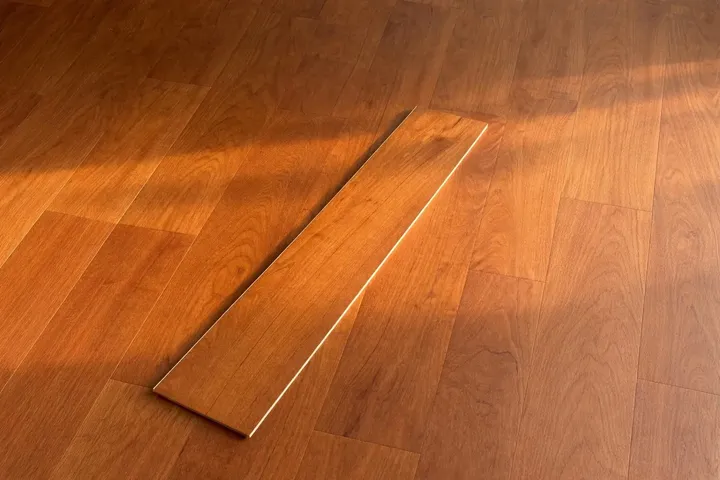
Choosing Maple Flooring for a Project
Maple flooring is a hardwood floor made from maple timber, a close-grained species with a pale, even tone that takes a clear finish well. Its surface hardness sits in the middle of the common hardwood range: it resists dents better than softwoods, yet it moves with indoor humidity like any wood floor. That makes maple a sensible choice for living rooms, bedrooms, halls and light-traffic commercial rooms, where regular sweeping and a well-wrung damp mop keep it in order, following the product’s care instructions where they differ. The main cost factors are material, construction, board size, finish, quantity and shipping.
Solid maple is cut from one piece of timber. Engineered maple carries a real maple face over a layered core, which can suit wider planks and floating installation. Maple-look laminate is a factory-finished product: a printed maple decor over a core, a different product from solid or engineered maple. Solid and engineered maple can be ordered unfinished or prefinished: unfinished boards are sanded and sealed after fitting, while prefinished boards arrive with a factory finish. Compare solid maple, engineered maple and maple-look laminate by construction, then request a quotation for the construction and finish state that fit the project.
Maple is a species buyers specify, so George confirms availability, construction and finish in the quotation. Wood flooring orders can start from 100 square meters, with the minimum for each product confirmed in the quotation. Send the product type, quantity, destination and a floor plan to request a project quotation.
Engineered Maple Construction
Engineered maple flooring is built in layers. A maple face, or wear layer, sits on top; beneath it is a core of plywood, high-density fibreboard or a similar stable material; the backing balances the board. The core is arranged so that grain direction alternates, which helps reduce movement. Face thickness affects sanding potential, while stability depends on the complete board construction and expected moisture conditions. The build, not the maple alone, decides how the floor performs. For George’s approved engineered options, see the engineered flooring page.
Before ordering, confirm face thickness, board dimensions, surface finish and the intended installation method, whether floating, glue-down or nailed. The subfloor should be flat, dry and clean, with a moisture reading taken on site and compared against the floor’s requirement. Boards should be acclimated in the room at normal living conditions before fitting. Engineered maple suits most dry indoor rooms; kitchens need a considered approach to spills and humidity. Care is simple: sweep, vacuum, damp-mop sparingly and avoid standing water. Follow the product’s own installation and care instructions where they vary.
Maple engineered flooring is a general option that buyers specify: George confirms species, construction and finish in the quotation and can provide construction details, moisture requirements and approved installation methods for the option supplied. Free corner samples apply to the multilayer engineered wood flooring product listed in George’s range, with freight paid by the buyer; ask George to confirm sample terms separately for a maple requirement. For wider format choices, see the engineered flooring page.
Maple Look Laminate
Maple laminate flooring is not solid maple. It is a factory-finished product with a photographic maple decor printed on a paper or film layer, bonded to a core of high-density fibreboard and protected by a transparent wear layer. The look is consistent from board to board, and the color does not vary the way timber does. Solid maple is one piece of wood that can be sanded back; engineered maple has a real maple face over a core. Laminate offers a maple appearance at a different cost and with different limits.
Wear ratings describe how well the surface copes with foot traffic, so a higher class suits busier rooms. Cores are usually high-density fibreboard, sometimes with treated edges for moisture. Many boards join with a click system over a foam underlayment, while others are glued down. Laminate handles surface spills but is not a wet-room floor: water at the joints should be wiped up and standing water avoided. It suits living rooms, bedrooms, halls and offices. Cost factors are the decor, wear rating, board size, quantity and shipping. Follow the product’s own care instructions for spill and moisture limits.
A maple-look decor is a preference buyers submit, and George confirms decor availability in the quotation. The laminate flooring page sets out core types and formats; confirm subfloor, acclimation and installation requirements against the product’s own instructions for the project.
Unfinished Maple Boards
Unfinished solid or engineered maple flooring is supplied as bare boards, milled and graded but without a factory-applied finish. The surface is sanded and sealed after fitting, so sheen, color depth and slip feel are decided on site. Buyers should confirm moisture content at dispatch, the grading rules, milling tolerances and how the boards should be stored and acclimated before work starts, following the product’s storage and acclimation instructions where they vary. Site conditions matter as much as the boards: stable temperature and humidity, a dry subfloor and a clean, dust-controlled room give the finish a fair chance to cure evenly.
Finish options include penetrating oils, hardwax oils and polyurethane lacquers in matte, satin or gloss, each with its own recoat routine and its own feel underfoot. Care begins with a soft brush or vacuum, then a damp mop with a pH-neutral cleaner once the finish has fully cured. Cost factors run beyond the boards: the finish product, the number of sanding passes, labor hours, the drying time that keeps a room out of use, and shipping. Maple’s close grain takes a smooth sanding well.
Unfinished solid or engineered maple is a general option buyers specify, and George confirms availability and specification in the quotation. Site sanding and finishing requirements should be confirmed for the project, and the product’s own instructions should be followed for finishes, drying and care. George can quote replacement or new flooring from its range once the specification is confirmed, and this note on refinishing wood floors explains what a site finish involves from sanding through to the final coat.
Request a quotation
Describe your project, rooms and quantity, and we will suggest flooring options to quote.
Or write to sales@engineeredflooringsupplier.com